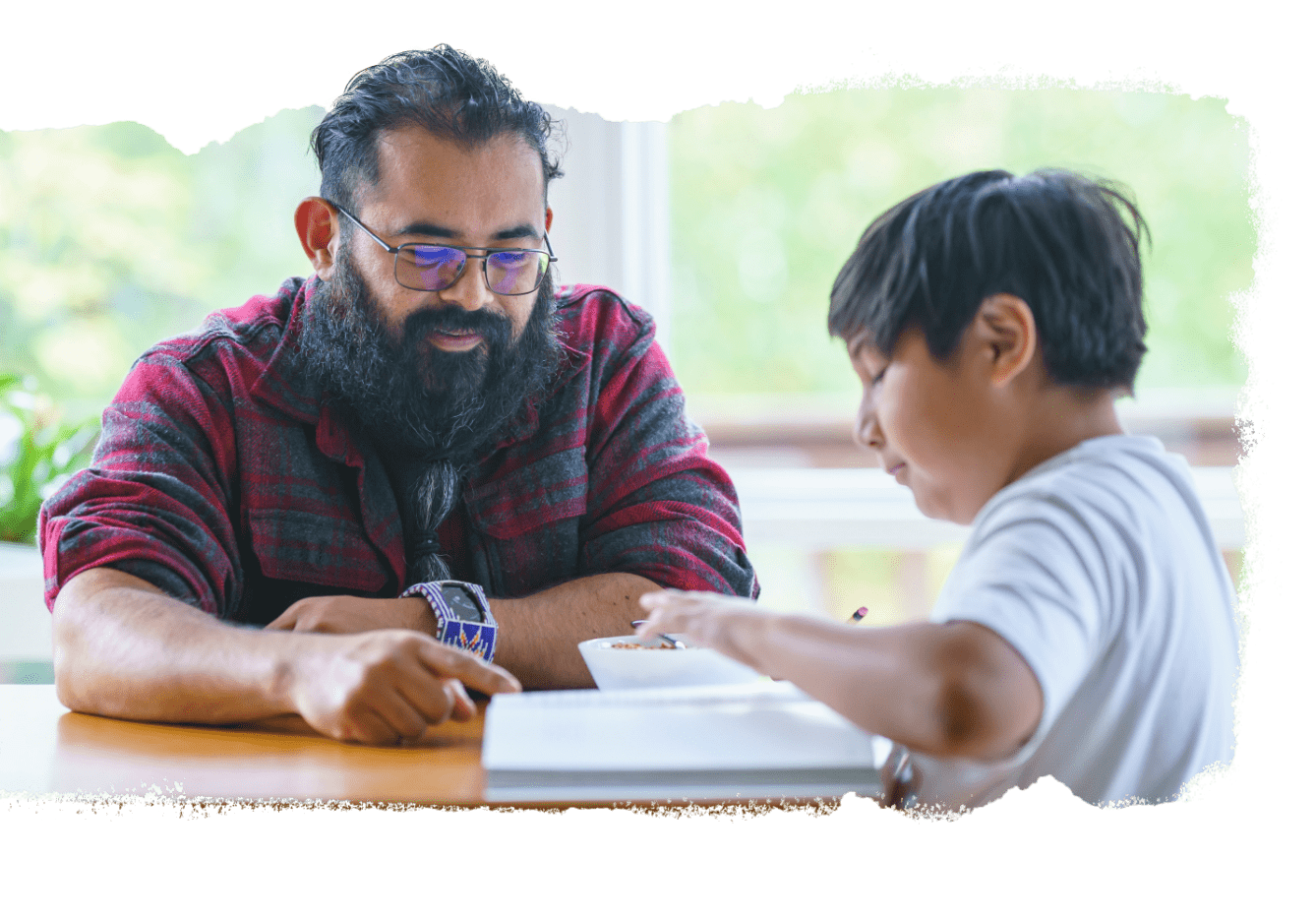
The National Indian Health Board serves as the unified voice of 574+ Federally recognized American Indian and Alaska Native Tribes, championing the cause of health equity. Before colonization, our people were among the healthiest on Earth, sustained by our traditional foods, clean water, and natural medicines. Today, NIHB is dedicated to helping Tribes reclaim that legacy of health and well-being.
At the heart of our work is the belief that our traditions, languages, and practices are not merely remnants of the past, but the foundation of our health and resilience. By embedding cultural integrity into every aspect of our advocacy, we empower our communities to heal, grow, and thrive.
Our website reflects the core elements of our mission and work:
Focus: Explore the critical health issues and advocacy areas that drive our efforts.
Approach: Learn how we support our Tribes through advocacy and programs.
Culture: Immerse yourself in our stories, traditions, and community events.
History: Discover our mission, journey, and the people behind our organization.
Focus
Addressing Critical Health Areas in Indian Country
Our work centers on the health challenges that most impact our communities. In this section, you’ll find information on key areas of advocacy, including diabetes, environmental justice, behavioral health, federal policy, and data research. These are the areas where we are working tirelessly to improve the well-being of American Indian and Alaska Native people.
Our approach is grounded in the belief that sovereignty is the cornerstone of strength and well-being for Tribes. We don’t just advocate for better health—we fight for the right to self-determination in healthcare. Through strategic partnerships, relentless advocacy, and innovative programs, we empower our communities to take control of their health outcomes. This section highlights how we translate our motto— Sovereignty. Strength. Health. —into tangible actions.
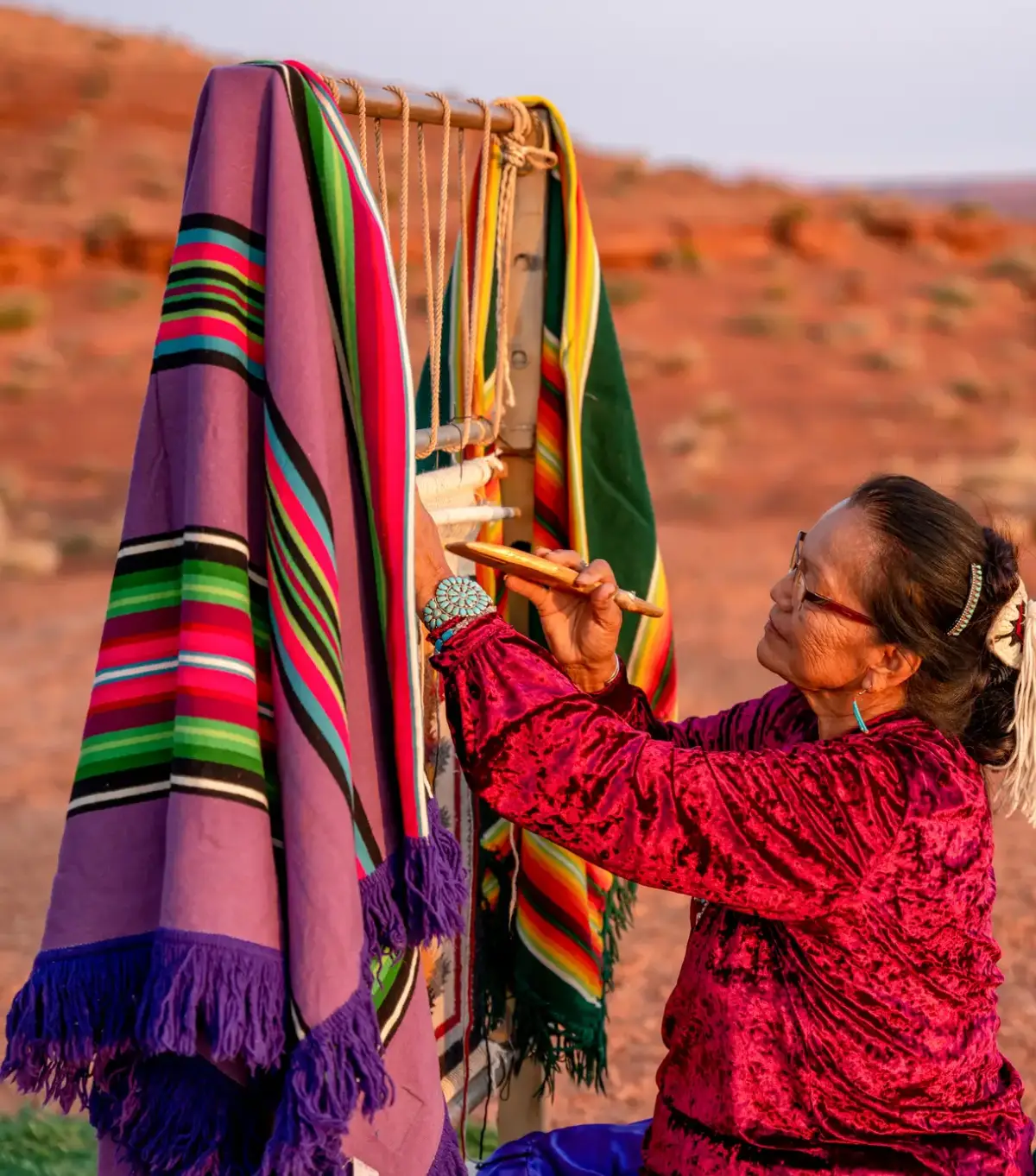
We know Culture heals, and it’s the heartbeat of all we do. Native people are the original storytellers, and this section is a celebration of our shared stories, traditions, and the vibrant communities we serve. Here, you can explore blogs, photos, and events that highlight the enduring strength and resilience of our people.
The History section provides a window into who we are, and where we’ve been. Learn about our mission, the origins of our organization, and the milestones that have shaped our journey. You’ll also find information about our leadership, including the Board of Directors, and opportunities to join our team as we continue our work to uplift and empower American Indian and Alaska Native communities.
The National Indian Health Board represents the 574+ Federally recognized American Indian and Alaska Native Tribes in our shared goal of health equity. The Tribes need NIHB to champion their rights, and NIHB needs allies—individuals and organizations—who are ready to stand shoulder to shoulder with us.
For Individuals: The Tribes’ future depends on those who are willing to act. Your voice, advocacy, and support are vital. Whether through financial contributions or grassroots efforts, you can be the ally that makes a difference. Discover how you can join us in this essential cause below.
For Funders: The strength of NIHB lies in the partnerships we build. Your organization can play a pivotal role in sustaining and expanding our efforts. By providing tax-free donations or grants, you empower the Tribes to reclaim their health and ensure their voices are heard. Learn how your support can drive meaningful change below.
Together, we can secure a future where our people are not just surviving, but thriving.
Choose any of the updates below. You can pick more than one.
NIHB Newsletter
Our monthly flagship newsletter with organization updates, member spotlights, and program news.
Policy Alerts
Time-sensitive updates on federal legislation, regulations, and funding opportunities affecting Tribal health.
The Weekly
A short weekly roundup of what's happening across Indian Country in health policy and programs.
Trainings & Events
Upcoming webinars, conferences, and training opportunities, plus registration deadlines.
By submitting this form, you are consenting to receive marketing emails from: National Indian Health Board, 660 N. Capitol Street NW, Suite 750, Washington, DC, 20001, http://www.nihb.org. You can revoke your consent to receive emails at any time by using the SafeUnsubscribe® link, found at the bottom of every email. Emails are serviced by Constant Contact