Tribal Veteran Support Coordinator at Televeda
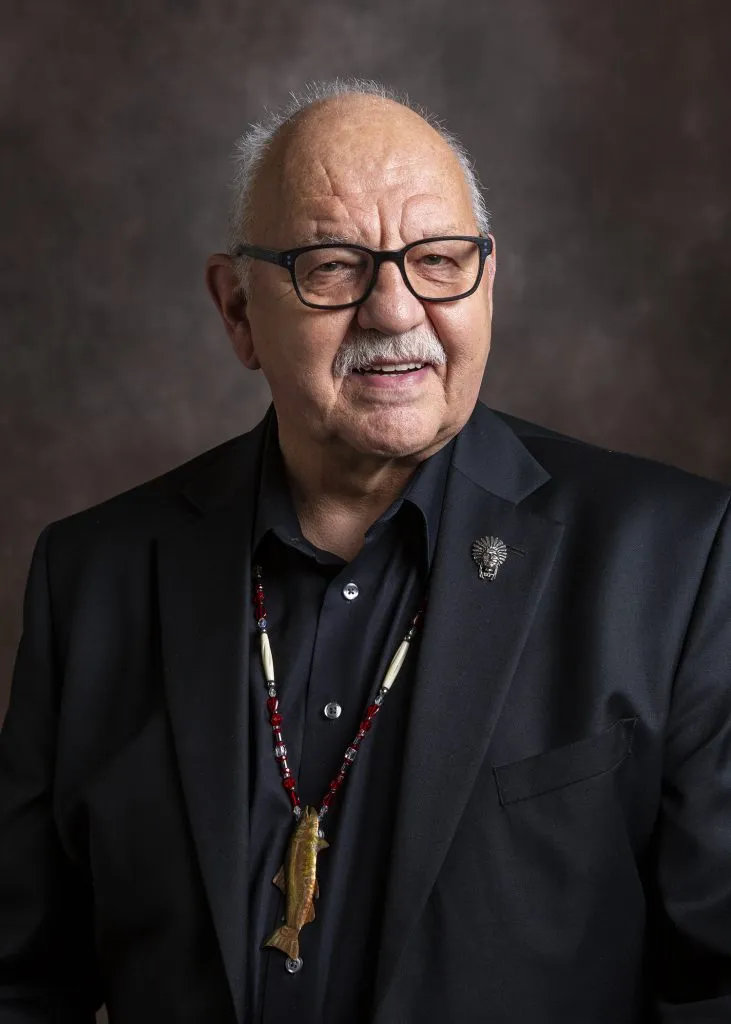
Chairman, Jamestown S’Klallam Tribe
As the Tribal Chairman Ron Allen is responsible for representing the Tribe as the elected leader and for addressing political and policy issues and/or positions at the national, state and local levels. As the Chief Executive Officer (CEO) (serving 1982-present), he is also responsible for the executive administration of all the Tribe’s programs including education, career development, social services, housing, health, economic development, natural resource management, and cultural/traditional affairs. As Tribal Chairman/CEO, he is responsible for leading the Tribe from a zero-resource base in 1982 to a current annual budget level of over $80 million; and from a landless reservation base in 1982 to a land base of over 1,200 acres without federal assistance. Additionally, he has led the Tribe to establish business enterprises including Seven Cedars Casino, The Cedars Golf Course, Northwest Native Expressions Art Gallery, JKT Development, and Jamestown Health & Medical Supplies.
Chairman Allen has been and still is today one of the leading tribal chairman advocates for better healthcare for our nations. Chairman Allen has served on the IHS Tribal Self-Governance Advisory Committee, the HHS Secretary’s Tribal Advisory Committee, and the CMS Tribal Technical Advisory Group. He has also been the chair of the CMS TTAG for many years. He works tirelessly and fiercely on behalf of all Native Americans to ensure our tribal healthcare systems are able to perform our best. He is responsible for leading our groups in accomplishing many policy and legislative wins in the Indian health care arena. He has gained respect from elected congressional leaders to presidential appointees throughout the executive branch.
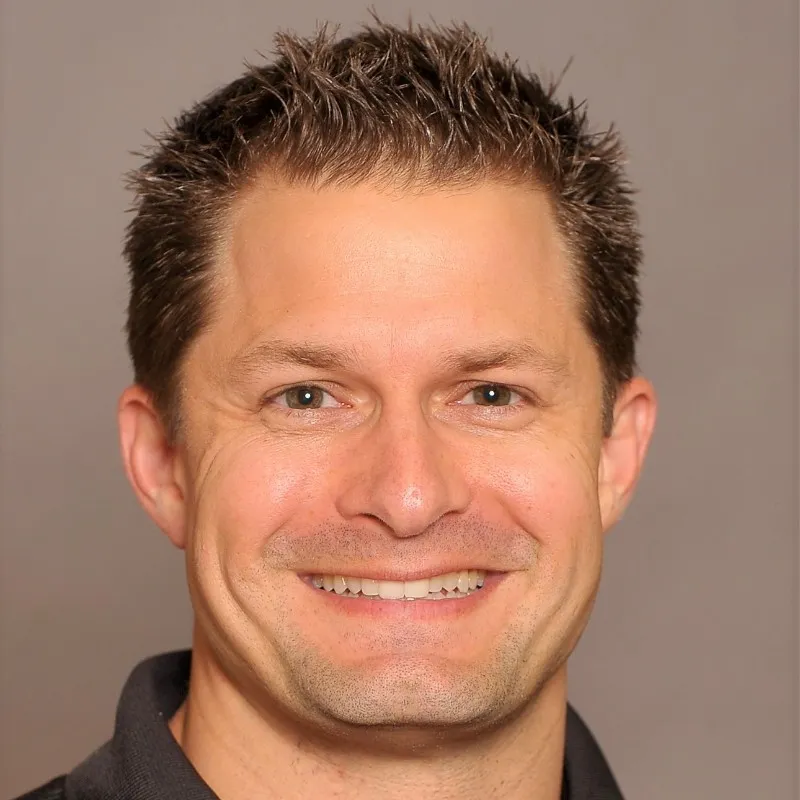
CEO at Tribal Diagnostics
As a visionary CEO and dedicated citizen of the Chickasaw Nation, Cory Littlepage is leading a transformative movement in Native-owned healthcare innovation, setting a bold example for future generations of Indigenous leaders. Through his leadership of a Native-owned diagnostic laboratory, Cory has redefined what’s possible in tribal health systems. Over the past seven years, in my work as Director of Tribal Relations, I’ve watched Cory build a business model that blends cutting-edge science with cultural respect, community engagement, and equity-focused outcomes. I have observed, listened to, and learned from these traits in my role with Cory. Cory represents the best of the next generation—leaders who honor our traditions while pushing forward with purpose, technology, and strategic vision. His dedication to improving access to diagnostic services for tribal nations and underserved populations has already changed lives, and his forward-thinking approach ensures that the impact will be long-lasting. He is not only building infrastructure, but also hope—hope for stronger tribal public health systems, for healthier futures, and for the rise of Native excellence in all areas of healthcare.
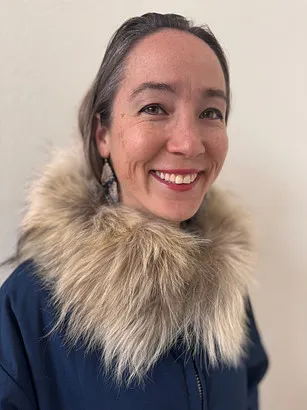
Dr. Elizabeth Arteaga, DNP, MSN, RN, is a nationally recognized Alaska Native healthcare leader with over 15 years of service. As VP of Patient Logistics at Alaska Native Medical Center, she oversees patient experience, rural travel coordination, and lodging for those receiving care in Anchorage. She led the initiative to acquire two new lodging facilities to enhance patient wellness and access. Her leadership during the COVID-19 pandemic earned national awards and textbook recognition. She continues to advance tribal health through innovation, cultural humility, and operational excellence. Her work continues to uplift Native communities across Alaska and beyond. Dr. Elizabeth Arteaga, DNP, MSN, RN, is a dedicated Alaska Native healthcare executive from Hooper Bay, as Vice President of Patient Logistics at Alaska Native Medical Center, she leads rural patient travel coordination and lodging services, and spearheaded the acquisition of two new lodging locations. National recognition for her COVID-19 leadership, Dr. Arteaga is known for her innovation, cultural advocacy, and dedication to Native health. She also serves on the board of the Anchorage Neighborhood Health Center and is a frequent speaker and advisor in tribal health initiatives.
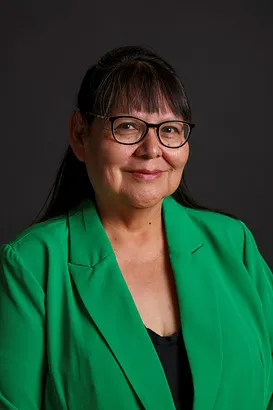
As Tribal Liaison, Janet Johnson serves as bridge between the agency and the 24 Tribes, Pueblos, and Nations in New Mexico. She fosters respectful government-to-government relationships, upholds and trains on NM State-Tribal Collaboration Act and ensures equitable access to health services. Via ongoing communication, collaboration, proactive consultation, and transparent reporting, Janet promotes better health and wellness outcomes among sovereign nations in New Mexico. As part of 2024 NLAPH NM cohort she works to improve birth outcomes for AI/AN people in NM. Recently, she played a key role in an historic partnership between Mescalero Apache Tribe and NM in opening a primary care clinic. Janet’s journey began with ~5 years at Santa Clara Pueblo, where she led the community health assessment process, coordinated Education and Disability programming, and oversaw self-governance coordination. Her passion for strengthening and improving Tribal relations led her to the New Mexico Department of Health (NMDOH) as the Tribal Drug Overdose Prevention Coordinator, and then as both Project Coordinator and NMDOH Tribal Liaison in the Office of Tribal Liaison, crucial roles that facilitate communication and collaboration between the NMDOH and New Mexico’s Tribes, Pueblos, and Nations.
Dave Baldridge
Dave Baldridge created a powerful platform that delivers vital resources to tribal communities. He led national initiatives in brain health, elder justice, wandering, caregiving, vaccine outreach and long-term care support services to advance high-quality and culturally relevant services and resources for Indigenous elders. Dave is Co-Founder and Executive Director of the International Association for Indigenous Aging (IA²) and served as NICOA Executive Director (1992–2002), tripling its size and making it a leading advocate for AI/AN elders. He authored numerous works on elder issues that shaped federal policy including Title VI of the Older Americans Act. He is a senior advisor at IA². Dave Baldridge (Cherokee Nation) is a nationally recognized leader in Native aging. He co-founded the International Association for Indigenous Aging and served as Executive Director for the National Indian Council on Aging for 10 years. Dave led New Mexico Volunteer Search and Rescue Teams and trained search and rescue dogs. His decades-long work has advanced Tribal elder health, dementia care, elder justice, and national aging policy. He is a trusted advisor, advocate, and author dedicated to improving the lives of American Indian and Alaska Native elders.
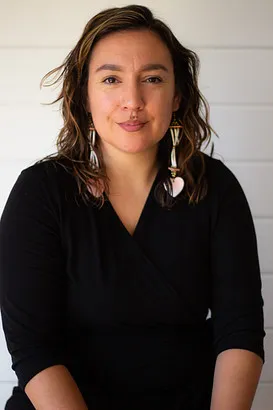
Dr. Amy Stiffarm
Dr. Amy Stiffarm is a trailblazer in Montana, the region, and nationally. As a scholar, mother, community member, and mentor, she is dedicated to uplifting Native communities through strengths-based approaches that improve health access and delivery. Rooted in her own lived experiences with birth and mental health, Dr. Stiffarm’s passion and work center on Native American maternal and child health, with a focus on Indigenous birth work and ensuring the safety of pregnant people across Montana. In both work and life, Dr. Stiffarm embodies a holistic and compassionate approach that uplifts culture, community voice, and Elder knowledge.
Dr. Stiffarm has produced numerous academic works and leads transformative initiatives throughout Montana and beyond. While pursuing her PhD in Indigenous Health at the University of North Dakota, she recognized cultural safety as a critical pathway to improve Indigenous perinatal mental health and maternal-child health outcomes. Acknowledging the lack of cultural safety resources, she created the “Cultural Safety Practices for Working with Indigenous Birth Givers in Montana” toolkit, published in July 2023. This groundbreaking resource combines her deep knowledge and powerful storytelling, and she has since shared it widely in educational settings with non-Indigenous providers across Montana.
Of particular note is her work with the Montana Obstetrics and Maternal Support (MOMS) Program, where she worked alongside communities and Tribal Health Systems in their own Reservation Immersion Days for labor and delivery nurses to better understand the process, landscape, and barriers when patients receive care both on and off reservation. In addition, Dr. Stiffarm partnered with the Family Medicine Residency of Western Montana to create and facilitate a first-of-its-kind Cultural Safety Training for resident physicians, faculty, and staff. The training spanned four months and culminated in a powerful panel discussion at the residency’s annual retreat, where Indigenous mothers and doulas shared their stories, laughter, and a meal with participants. This experience was deeply impactful for all involved. Participants shared:
“Dr. Stiffarm was an excellent presenter who seamlessly presented content that was both challenging to hear but also empowering at the same time. She led us through the session with such skill and grace. We are so fortunate to have had this presentation!” – Resident or Staff Member, Summer 2024
“We (non-Indigenous people) have a lot of work to do to right the wrongs that have been done to Indigenous people and fight the systemic injustices that exist, but I’m so thankful to be educated on this topic and want to be an ally.” – Resident Physician, Summer 2024
Recently, Dr. Stiffarm helped advocate and work with collaboratives and communities to ensure knowledge around the SB 319 Doula Bill, establishing a comprehensive framework for licensing and regulating doulas in Montana to provide continuous physical, emotional, and informational support to pregnant women during the antepartum, intrapartum, and postpartum periods. The bill also amends existing state law to include doula services within the Montana Medicaid program, allowing potential coverage for licensed doula services.
Dr. Stiffarm’s leadership, dedication, and commitment to creating culturally safe and responsive systems of care continue to transform maternal and child health in Montana and inspire future generations.
Senator Jonathon Windy Boy

David Larson has been instrumental in the efforts of Oneida Nation to improve and extend Long-term Care, improve the Tribal Family Care waiver option for Tribes throughout Wisconsin, and to maintain Long-term Care as a top initiative for Tribal nations wanting to pursue development of their own Long-term Care facilities and services. His efforts were responsible for the preservation of protection of tribal sovereignty and cultural sensitivity for our tribal citizens throughout the State of Wisconsin and Indian Country. We thank him for his years of advocacy for tribal Long-term care at the state and national level and his commitment to sharing his knowledge and expertise. David Larson worked with the Oneida Nation for over 30 years, most recently as Oneida Nation’s Nursing Home Administrator from 2016 until his retirement in 2025. Under his direction and leadership, the Oneida Nation became the first tribally operated 5-star rated Long-term care facility to become certified by the Veterans Administration in Indian country. He was appointed by Oneida Nation’s leadership to the CMS Tribal Technical Advisory Committee (TTAG). Throughout his career, he participated in advocacy efforts in Washington, D.C. and the State of Wisconsin to enhance tribal Long-term care.
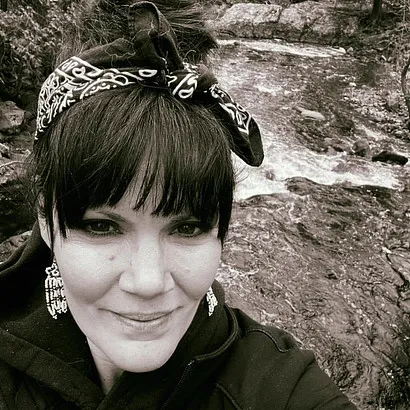
Amber Hoon
Amber Hoon from the Great Lakes Intertribal Council who, since 2019 has embraced care and support for elders and especially for persons with dementia as her mission on behalf of the Council’s twelve member tribes.
Amber has led by applying for and managing state dementia specialists now assigned to each tribe. She wrote the application for and managed an Administration on Aging grant to develop and deliver tribally relevant information, care, and support for persons with dementia and caregivers, including two unique short films and other culturally adapted materials for each of the GLITC member tribes. Amber Hoon is the Tribal Dementia Program Director for the Great Lakes Inter-Tribal Council’s “Together Strong” Tribal Dementia Program which is a partnership with several Wisconsin-based Tribal Nations and Wisconsin Tribal Dementia Care Specialists to create a training and awareness program on Alzheimer’s and dementia-related diseases.
Outside of her work with GLITC, Amber is the mother to three adult sons. She enjoys spending her free time in the woods with her two dogs and partner. She has a deep passion for traditional Anishinaabe cultural events and ways.
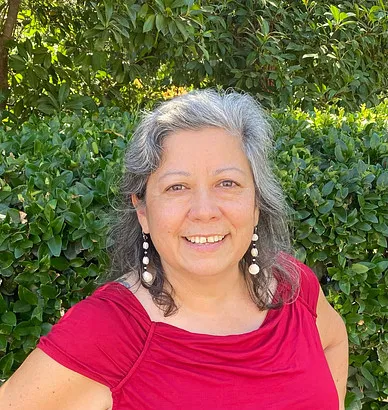
Kathleen Jack
Kathleen Jack is a mentor, leader, visionary, and friend to Indian Country. She has served tribal communities for 30 years in public health, behavioral health, and Indian education services. She has served Tribes in the California Area since 2017 as the Director of several CRIHB programs and departments. Before joining CRIHB, she was the Health Education Director for Four Winds of Indian Education in Chico, California. Kathleen has mentored hundreds of employees, students, and programs in culturally centered public health. She graduated in 2009 with a Master of Public Health from San Jose State University and in 1995 with a degree from California State University.
Kathleen Jack leads with culture and is passionate about healing. She’s served Indian Country for more than 30 years as a leader, grant writer, program director, and mentor. Kathleen’s work in and with Indian Country has resulted in improved emergency response, increased surveillance, and millions of dollars in grant funding, as well as ongoing programming that supports cultural and traditional values and activities. She’s a mother, daughter, auntie, sister, and dear friend to Indian Country.
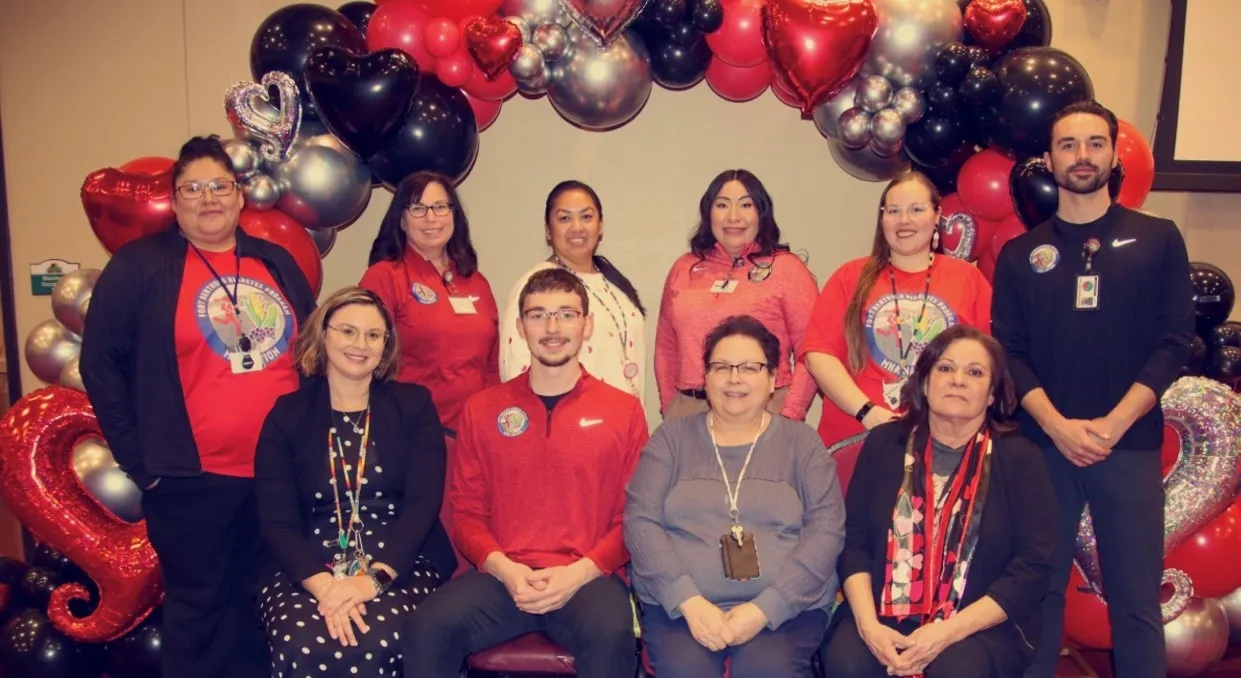
Fort Berthold Diabetes Program
The FBDP is a dynamic TEAM filled with passion for serving the community. As both a prevention & clinical-based program, services are abundant. Annual hemoglobin A1c & BMI% screenings, along with prevention education, are offered in all Fort Berthold schools. Students with elevated results are referred to the FBDP Healthy Futures Program, which includes case management, HCP visits, Registered Dietitian (RD) support & a 3-day summer education camp. A Continuous Glucose Monitoring (CGM) program was developed in 2019, with CGM training & DSMES being offered by a RD/CDCES & Nurse Case Manager. Monthly cooking classes, community blood sugar screenings & fitness classes enhance prevention efforts. The FBDP is a dynamic TEAM filled with passion for serving the community. As both a prevention & clinical-based program, services are abundant. Annual hemoglobin A1c & BMI% screenings, along with prevention education, are offered in all Fort Berthold schools. Students with elevated results are referred to the FBDP Healthy Futures Program, which includes case management, HCP visits, Registered Dietitian (RD) support & a 3-day summer education camp. A Continuous Glucose Monitoring (CGM) program was developed in 2019, with CGM training & DSMES being offered by a RD/CDCES & Nurse Case Manager. Monthly cooking classes, community blood sugar screenings & fitness classes enhance prevention efforts.
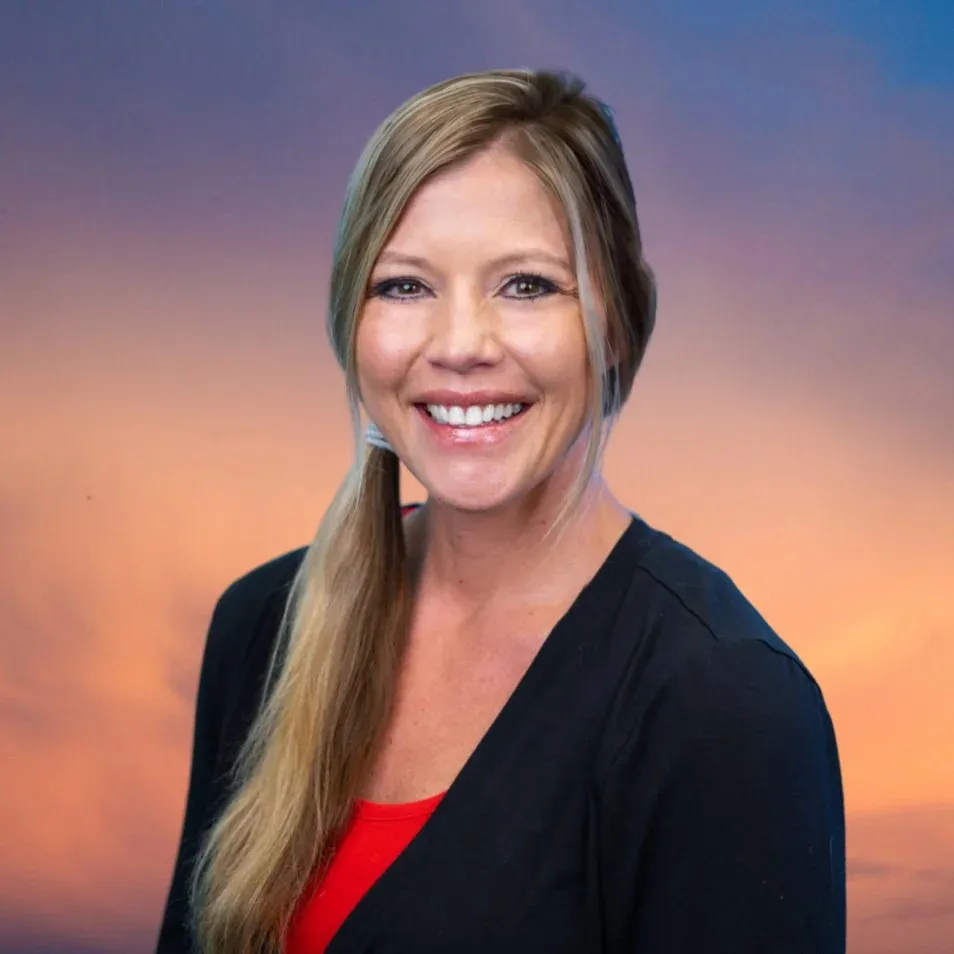
Kari Erickson, RN, BSN
Mrs. Erickson has managed the diabetic patients of our clinic which encompasses ~30% of all Native patients served. Under her guidance and management, Native diabetic patients have had improved A1Cs, lowered HDLs, and improved blood pressure management. Patients have also had improved compliance with dental and vision screening exams. Mrs. Erickson has created a community of unity with monthly group educational classes, creating a safe space for sharing, growing and learning and has identified motivating incentives. Patients have direct contact with Mrs. Erickson for support in ongoing management of their diabetes in conjunction with their medical providers. Kari Erickson, RN, BSN, CDCES joined Nebraska Urban Indian Health Coalition (NUIHC) in 2015. As a Type 1 Diabetic herself, Mrs. Erickson has long been passionate about diabetes education. Knowing the effect of diabetes on Natives, Mrs. Erickson sought out NUIHC to serve and improve the health specifically of Native diabetics. She is a clinical nurse, providing hands on care of Native patients including serving as SDPI Coordinator. Mrs. Erickson serves as primary contact from the clinic for all Native diabetics, ensuring they have access to care and are engaged in improving their health.
Kendall Scott
Kendall R. Scott Jr. is advancing Indigenous health equity through a multidisciplinary lens, pursuing an MPH and an MS in Implementation Science while completing a graduate certificate in American Indian Public Health. He has shared these insights nationally as a TEDxRIT speaker and as a panelist at Action for a Better Community health conference. As a We Are Healers Fellow, he develops culturally grounded wellness programming, and in 2025, he was honored with the Edgar Santa Cruz Outstanding Coalition Member Award for his contributions to health equity and Indigenous resilience. Kendall R. Scott Jr. is advancing Indigenous health equity through a multidisciplinary lens, pursuing an MPH and an MS in Implementation Science while completing a graduate certificate in American Indian Public Health. He has shared these insights nationally as a TEDxRIT speaker and as a panelist at Action for a Better Community health conference. As a We Are Healers Fellow, he develops culturally grounded wellness programming, and in 2025, he was honored with the Edgar Santa Cruz Outstanding Coalition Member Award for his contributions to health equity and Indigenous resilience.
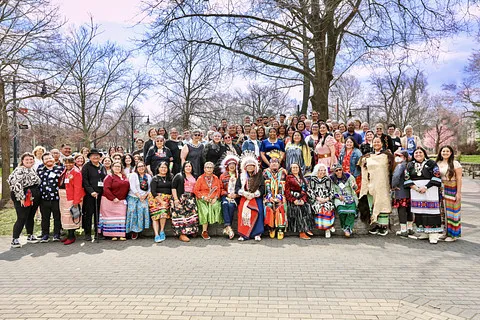
Center for the Futures of Native Peoples
Beginning in 2023, the Center for the Futures of Native Peoples has helped care for tribal delegations during the federally led repatriation of Indigenous children buried at the Carlisle Barracks Post Cemetery—the site of the first federal Indian boarding school. As the only education-based partner in this process, the Center and Archives provide healing-centered, culturally grounded, and archival support. With access to Dickinson’s Carlisle Indian School Digital Resource Center—the largest online repository of its kind—the Center aids delegations with historical records, affirms tribal sovereignty, and fosters truth-telling and healing rooted in Indigenous knowledge and community care. Located about a mile from the former Carlisle Indian Industrial School (1879–1918) in Carlisle, PA, which enrolled 7,800 Native students from over 200 tribal communities to enforce cultural erasure, the Center for the Futures of Native Peoples recognizes Dickinson College’s historical ties to the Carlisle Indian School and the profound harm it caused. Today, the Center supports healing, repatriation, and Indigenous-led education. The CFNP and Archives are committed to community care, advocacy, and investing in Native futures—what federal boarding schools were designed to eliminate.
Dr. Adriann Begay
Dr. Begay has been a leader in developing training and mentoring the health workforce in Navajo Nation. After 21 years of clinical service as a family medicine doctor at the Indian health service in Gallup Indian Medical Center Dr. Begay join the healing initiative in 2021 in this position as director of the Southwest leadership program she has started a cohort based training model that trains mentors and connects, indigenous nurses and other health workers from Navajo Nation. Building on our own experience as requiring mentorship and support to get through medical school in her early 30s as a single mother she developed this program to both bring indigenous wisdom and methods of healing into allopathic clinical knowledge. The nurses that are part of the program come from both Indian health service and 638 sites. Under her leadership, HEAL is starting a second cohort in the southwest leadership program. The program is able to draw in speakers from all over the country where leaders in indigenous healing and knowledge and train nurses to incorporate frameworks on advocacy leadership, structural competency and positional power and well-being into the curriculum. The program is 18 months and is highly successful. There have been a number of her request from other tribal nations to replicate this program. Dr. Begay has tremendous wisdom, clinical knowledge and a deep understanding of indigenous history that is allowed her to design a program that sustained routines, indigenous nurses serving indigenous patients. Given her expertise, she was requested by a member of Congress to testify regarding the need for increased graduate medical education programs at Indian health service her testimony garnered tremendous positive reception in Congress and even caused one member of Congress to be brought to tears hearing Dr. Begay’s personal story. Dr. Begay is a national treasure and with benefit from increased exposure in awareness of her tremendous gifts.
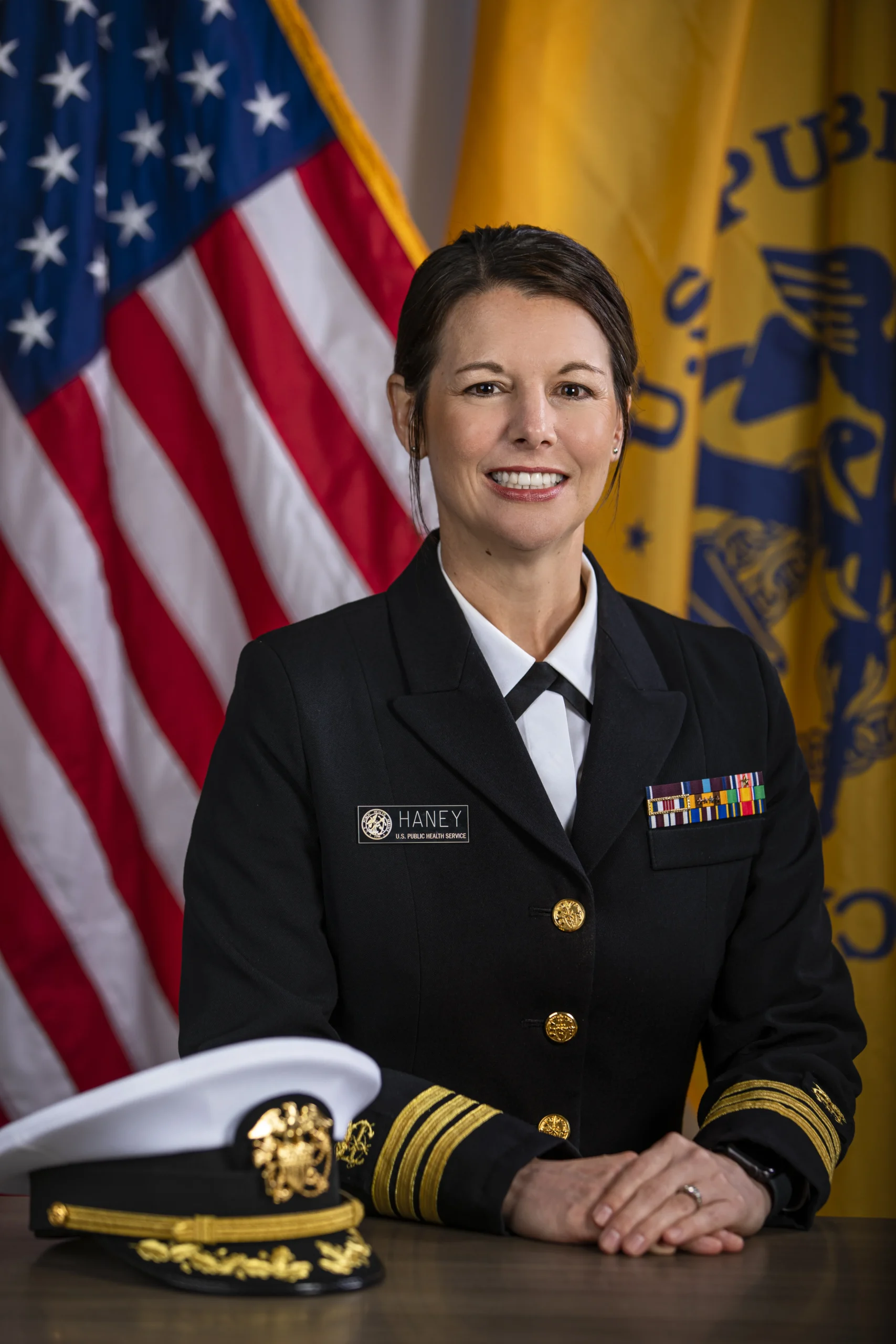
This recommendation recognizes Niki Haney for her exemplary leadership and transformative impact as Epic Project Director for the Choctaw Nation Health Services Authority (CNHSA). Her strategic direction and unwavering commitment drove the successful implementation of the Epic Electronic Health Record (EHR) system, marking the most significant digital health transformation in CNHSA’s history. Niki expertly managed the full lifecycle of this complex initiative across nine CNHSA facilities, integrating dozens of Epic applications spanning clinical, revenue cycle, pharmacy, and patient engagement domains. Leading a diverse team of over 200 CNHSA staff, consultants, and Epic personnel, she fostered a unified, high-performing unit dedicated to clinical excellence and operational efficiency. Through collaborative leadership, Niki built strong partnerships with executive leadership, clinical directors, and frontline staff, particularly at the Choctaw Nation Talihina Healthcare Center (Hospital location), where critical workflows were implemented. Her ability to earn trust and align stakeholders ensured project success across all phases.
The April 5, 2025, Epic go-live, under Niki’s leadership, was exceptionally smooth, earning praise from internal stakeholders and industry partners. Within eight weeks, key metrics demonstrated remarkable outcomes:
• MyChart activation reached 59%, nearly doubling the three-month target of 30%.
• 27,000+ patient accounts were created, driving robust digital engagement.
• Video visit success rates achieved 97%, reflecting strong provider and patient readiness.
• 95% of clinicians adopted In Basket messaging within the first month, streamlining communication.
• Chart completion time decreased by 37%, allowing providers to prioritize patient care.
• Clinical Decision Support (CDS) alerts achieved a 91% acknowledgment rate, showcasing adoption of evidence-based tools.
These achievements enhanced patient and staff experiences significantly:
• 99% of lab and imaging results were released to patients within five minutes.
• 100% of patient visit notes were shared via MyChart.
• 100% of ambulatory visits supported self-arrival functionality.
• 93% of office visits closed on the same day, placing CNHSA in the top 5th percentile nationally.
CNHSA’s outpatient pharmacies processed over 251,000 prescriptions, underscoring the reliability of the Epic Willow Ambulatory Pharmacy build and integrated workflows.
Under Niki’s leadership, CNHSA achieved Epic Gold Stars Level 9 designation, a rare honor reflecting exceptional use of Epic tools to drive outcomes, efficiency, and patient engagement. Attaining this within months, rather than years, set a national benchmark and highlighted the strength of Niki’s strategic vision.
Niki’s poise, foresight, and relentless focus on serving CNHSA’s patients, providers, and communities cultivated a culture of transparency, innovation, and accountability. Her leadership not only delivered a successful implementation but also established a foundation for sustained excellence.
Niki Haney’s contributions reflect the highest standards of leadership and public service, advancing CNHSA’s mission and operational capabilities. Her exemplary performance brings great credit to herself, the Corps, and the Choctaw Nation Health Services Authority, making her eminently deserving of the NIHB Area/Regional Health Warrior Award.
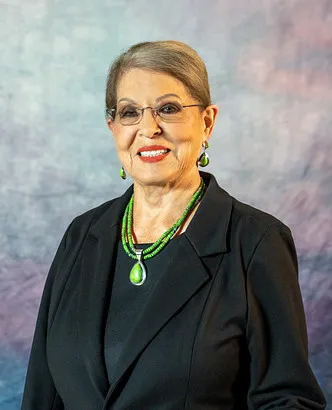
Carmelita Wamego Skeeter
This year epitomized the strong vision, leadership, and community impact of Indian Health Care Resource Center of Tulsa CEO Carmelita Wamego Skeeter. She received multiple major awards, including the Anna C. Roth Honoree from local nonprofit YWCA Tulsa. This recognized her decades of area and national advocacy for health care. She was also the Urban Indian Organization Visionary Award recipient from the National Council of Urban Indian Health. Carmelita Wamego Skeeter also oversaw a major expansion at IHCRC: A 62,000-square-foot facility addition offering new physical, speech, and occupational therapy services, and expanded dental, optometry, pharmacy, and fitness services. Carmelita Wamego Skeeter began her career at Indian Health Care Resource Center in 1976 when she helped survey residents to assess health needs of the Tulsa, Oklahoma area urban Indian population. She helped the organization grow in the past 49 years, first as one of IHCRC’s original four employees, then leading as Chief Executive Officer since 1989. A proud member of the Citizen Potawatomi Nation, she speaks strongly in support of minority and Indian health needs, distinguishing herself locally and nationally as an advocate. She is a strong supporter of aiding underserved populations.
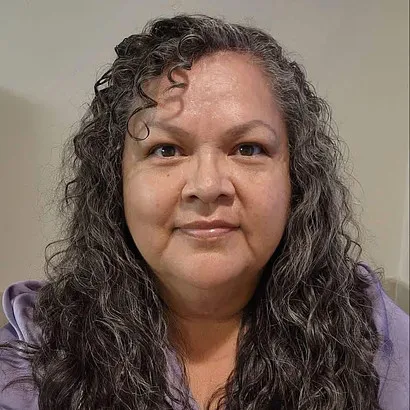
Catherine has been a tireless advocate for Native people who are re-entering society after federal incarceration. She assists in securing work, volunteer opportunities, and housing. But, in addition to the duties that are required of her position, she has secured healthcare by arranging for a mobile health van to stop at the residential facility every two weeks. She secures donations for clothing, including winter coats that are especially important in our mountain region. She has formed a coalition of service providers that she calls Mother Buffalo Re-entry to focus on the re-entry needs of Native populations. She leads a tribal summit on re-entry every year. Catherine clans are Ye’ii Diné’é Tachiinii born for the Dził T’adi Kinya’áá’nii. Her maternal grandfather is Tłizi Łani. Her paternal grandfather is Tse Deshgizhnii. In her role as a Community Resource Liaison, she takes the residents to the community and the community to the residents. She combines her background in Social Work and Native American Studies to serve the residents at WAI. By networking with multiple agencies and institutions, she advocates for reentry through, education, community service, and cultural reconnection reducing recidivism.
Elizabeth Moss
Ms. Moss demonstrates outstanding leadership in Tribal health as Manager of Community Health Services for the Tribe. She oversees Clinical, Child, and Maternal Health programs and has advanced public health outcomes across Fort Hall. In 2024, her team earned state recognition for achieving 100% childhood vaccination rates—a testament to her commitment to prevention. She also led the expansion of clinical services into the Tribal Correctional facility, improving access for incarcerated individuals and advancing health equity. As Chair of the Joint Medical Professional Staff Committee with Tribe and IHS, she earned a perfect score from AAAHC for compliance- a rare distinction. Elizabeth Moss works for the Shoshone-Bannock Tribal Health and Human Services Department of the Fort Hall Indian Reservation. Liz has worked for the Tribe for over 30 years and specifically in the health department for 15 years. She is been a resident of the Fort Hall reservation for nearly her whole life but is a member of the Shoshone-Paiute Tribe. She is now a spouse to a Shoshone-Bannock Tribal member. Ms. Moss has played a pivotal role in driving system-wide improvements that have strengthened healthcare delivery across the Fort Hall community and the Area.

MIGUEL FLORES
Arizona Partnership for Native American Cancer Prevention
Miguel Flores is well known locally and internationally
for his work on more than 17 advisory boards, serving on
local and National boards. Locally he provides traditional
health and medicine services in the community, includ
ing to students at the University of Arizona as a member
of various centers and research projects. He has been
instrumental in UArizona/Tucson Indian Center collabo
rating to bring back the UArizona Pow Wow in April 2024,
providing urban Natives/Indigenous peoples, in particular
Native students, an opportunity to connect with culture
while pursuing their education.
Choose any of the updates below. You can pick more than one.
NIHB Newsletter
Our monthly flagship newsletter with organization updates, member spotlights, and program news.
Policy Alerts
Time-sensitive updates on federal legislation, regulations, and funding opportunities affecting Tribal health.
The Weekly
A short weekly roundup of what's happening across Indian Country in health policy and programs.
Trainings & Events
Upcoming webinars, conferences, and training opportunities, plus registration deadlines.