








For more than five decades, the National Indian Health Board (NIHB) has worked in partnership with Tribal Nations to advance Tribal sovereignty, strengthen health systems, and advocate for the health and well-being of American Indian and Alaska Native people.
A strategic plan is how NIHB pauses, reflects, and sets direction for the future. It helps clarify priorities, strengthen governance, and align how the organization shows up in service to Tribal Nations. At this moment, as Tribal health systems face evolving challenges and opportunities, it is especially important that NIHB takes a thoughtful, community-informed approach to defining what comes next.
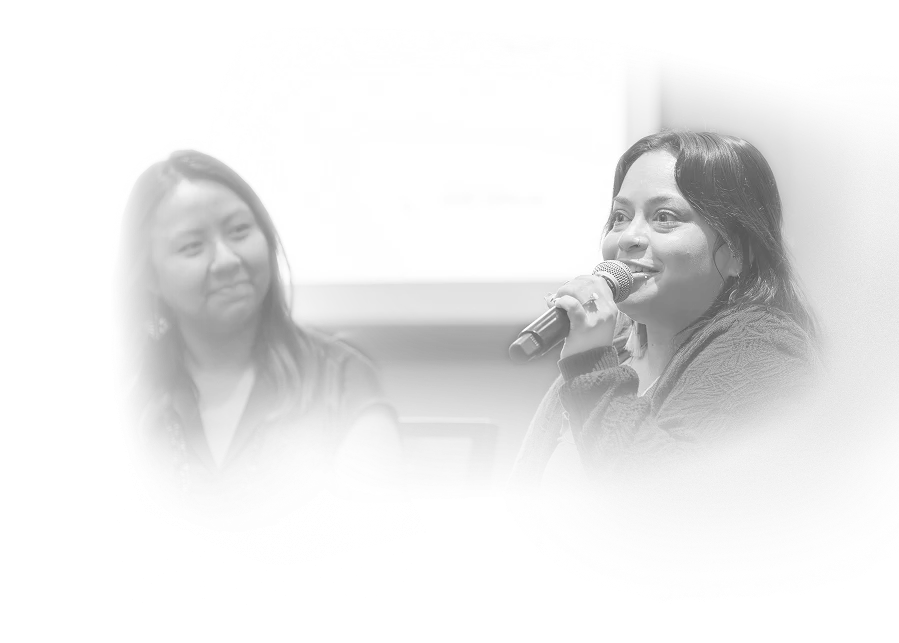
We recognize that many Tribal voices, particularly from rural, smaller, or under-resourced communities, are often underrepresented in national strategy conversations. The Listening Tour is intentionally designed to go beyond familiar networks and create multiple, flexible ways for people to share perspectives.
Input shared through the Listening Tour will help NIHB better understand current realities, identify strengths and challenges, and shape priorities for the future. Participation is voluntary, and insights will be treated with care, respect, and confidentiality
Hear directly from NIHB CEO A.C. Locklear about why this strategic planning process matters and how community voices will help shape what comes next. If you prefer to read rather than watch, a summary of the video message is available.
Captions and a full transcript are available for this video
No special preparation is required for any participation option. We invite people to show up as they are and share what they see and experience.
Language support, interpretation, and accessibility accommodations are available upon request and can be indicated during registration.
Potawatomi Casino Hotel
1721 West Canal Street
Milwaukee, Wisconsin 53233
Billings Urban Indian Center
1223 Mullowney Lane
Billings, MT 59101
Downtown Marriott Waterfront
1401 SW Naito Parkway
Portland, Oregon 97201
Office hours are informal, open sessions where community members, partners, and stakeholders can ask questions about the strategic planning process and the Listening Tour.
River Spirit Casino Resort
8330 Riverside Pkwy
Tulsa, OK 74137

Gila River Resorts and Casino
5040 Wild Horse Pass Blvd
Chandler, AZ 85226
Office hours are informal, open sessions where community members, partners, and stakeholders can ask questions about the strategic planning process and the Listening Tour.
Read what tribal leaders and health professionals are saying coming soon
Direct voices from the listening tour sessions
A story of tribal self-determination
How NIHB turns community input into real change
Communities across the country are innovating solutions
The Listening Tour takes place during the early phases of NIHB’s strategic planning process and helps inform everything that follows.
NIHB establishes how the planning process will work, including cultural protocols for care, consent, and reciprocity; accessibility and language planning; advisory structures; and decision-making approaches.
NIHB gathers inputs through focus groups, interviews, surveys, office hours and listening sessions to understand what is working, what is challenging, and what communities are experiencing across culture, systems, governance, and operations.
NIHB will synthesize community input and translate it into a clear, actionable strategic framework. The draft Strategic Plan will be shared at the National Tribal Health Conference in Phoenix, Arizona in August 2026.
Following the conference, NIHB will begin phased implementation with ongoing accountability to member Tribes and partners.
The National Indian Health Board is at an important moment in its history. As Tribal health systems face evolving challenges and opportunities, it is essential for NIHB to pause, reflect, and ensure its priorities and ways of working remain aligned with the needs of Tribal Nations and communities.
This strategic planning process is an opportunity to take a long view—grounding NIHB’s work not only for the years ahead, but for the next 50 years of advocacy for Indian health.
Listening is foundational to NIHB’s values and responsibilities. Before setting priorities or making decisions, NIHB believes it is essential to hear directly from Tribes and Tribal communities about what is working, what is not, and what is needed.
The Listening Tour ensures that Tribal perspectives, lived experience, and diverse voices inform the strategic direction from the very beginning.
The NIHB Executive Team is supported by internal staff, and Shoreline Consulting. NIHB has also created an external Strategic Planning Advisory Board. These advisors provide cultural, relational, and strategic guidance to help ensure the process is inclusive, respectful, and grounded in community realities.
Advisors serve in an advisory role and do not make final decisions.
Advisory members are selected through an open and transparent process designed to reflect a broad range of experiences across Indian Country. Selection prioritizes diversity of lived experience, inclusion of underrepresented perspectives, and the ability to contribute meaningfully to the process.
Not everyone can serve on the core Advisory Group, and all applicants are offered other ways to stay involved.
Input will be reviewed in aggregate and used to inform NIHB’s understanding of current realities, strengths, challenges, and opportunities. These insights will help shape priorities, goals, and strategic direction.
NIHB is committed to transparency and will share back how community input informs the strategic plan through summaries and updates.
As part of this strategic planning process, the National Indian Health Board is being guided by a Strategic Planning Advisory Board and a broader Advisory Champions Network.
The National Indian Health Board belongs to Tribal Nations. It always has, and it always will. Because of that responsibility, NIHB is committed to being open and intentional about how this strategic planning process is designed, how information is stewarded, and how decisions are made.
Transparency is not an add-on to this work. It is a core value. From the beginning, NIHB has approached this process with care, consent, and reciprocity, recognizing that trust is built through clarity, honesty, and follow-through. We want people to feel safe engaging in this process and confident that their perspectives are treated with respect.
This section includes background materials that explain the values, protocols, and decisions shaping the strategic planning process behind the scenes. These documents outline how NIHB is centering cultural protocols, accessibility, and responsible data stewardship throughout the Listening Tour and beyond.
We encourage you to explore these materials if you are interested in understanding how this process is being guided. If you have questions about the why or the how, we welcome them.
We encourage you to participate in whatever way works best for you and to follow along for updates and additional opportunities to share your perspective. We are grateful for the time, trust, and wisdom that communities continue to share with NIHB.
INTRODUCTION
Your donation directly supports our programs and services, providing high-quality resources and support to our community.
National Indian Health Board
50 F St NW, Suite 600
Washington, DC 20001
© 2024 National Indian Health Board
For more than five decades, the National Indian Health Board (NIHB) has worked in partnership with Tribal Nations to advance Tribal sovereignty, strengthen health systems, and advocate for the health and well-being of American Indian and Alaska Native people.
A strategic plan is how NIHB pauses, reflects, and sets direction for the future. It helps clarify priorities, strengthen governance, and align how the organization shows up in service to Tribal Nations. At this moment, as Tribal health systems face evolving challenges and opportunities, it is especially important that NIHB takes a thoughtful, community-informed approach to defining what comes next.
This strategic planning process is not only about the next few years. It is about centering NIHB’s work for the next 50 years of advocacy for Indian health. The decisions shaped through this process will influence how NIHB leads, partners, and advocates across generations.
Because of that responsibility, NIHB is intentionally beginning this work by listening.
The Listening Tour is a foundational part of the strategic planning process. Before setting priorities or making decisions, NIHB is creating space to hear directly from Tribal leaders, community members, partners, and stakeholders about what is working, what is not, and what is needed moving forward. Listening, learning, and reflecting together is essential to ensuring that NIHB’s future direction remains grounded in Tribal sovereignty, lived experience, and community wisdom.
The Listening Tour is how NIHB is putting these commitments into action—by listening first, creating multiple ways to engage, and ensuring community voices help shape the direction ahead.
NIHB is undertaking a strategic planning process grounded in Tribal sovereignty, cultural integrity, and community-informed decision-making. This effort emphasizes listening deeply and respectfully, creating multiple ways to participate, and ensuring that community perspectives meaningfully inform NIHB’s future direction. Participation is voluntary, no special preparation is required, and both in-person and virtual engagement options are equally valued.
Captions and a full transcript are available for this video.
This is a moment of change —for Tribal health, for the National Indian Health Board, and for the future we are building together.
Today, I want to share why we are beginning a strategic planning process at NIHB — and why it matters.
This work isn’t about creating a document or checking a box.
It’s about ensuring that our priorities, our governance, and the way we work are shaped by the needs, wisdom, and lived experience of Tribal Nations and communities.
We are clear about our responsibility.
This process is grounded in listening — not rushing, not shortcuts, and not predetermined outcomes.
Our commitment is to align our actions with our values and ground our work in Tribal sovereignty.
Listening is at the center of this work because Tribal leaders are the experts in their own communities.
Our responsibility is to meet people where they are and make sure every voice has a path to be heard.
Whether someone joins us in person, virtually, or through a survey — every perspective will help shape this work.
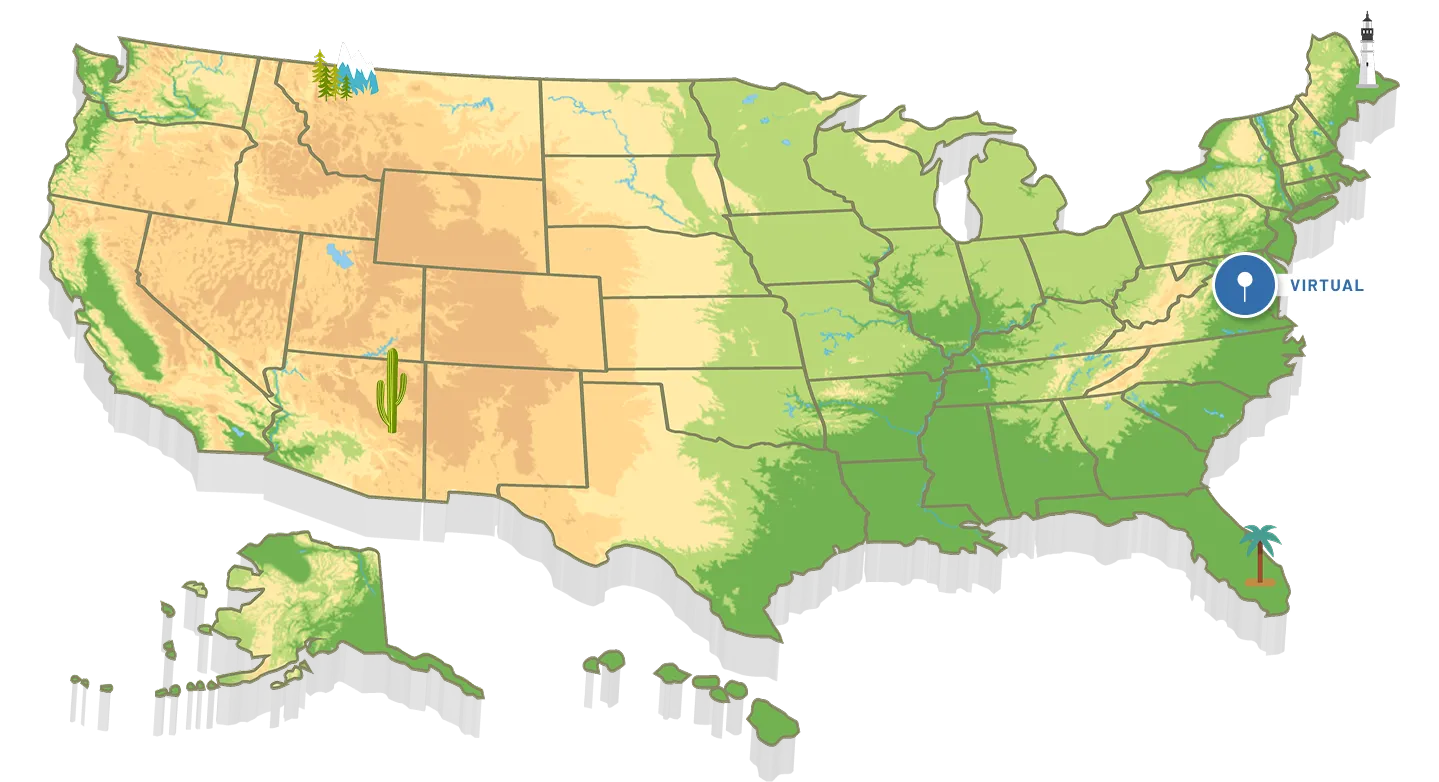
Throughout March and into April, we will gather with Tribal leaders across the country through regional listening sessions in Milwaukee, Billings, Portland, and Tulsa.
We will also be visiting Phoenix during the Tribal Self-Governance Conference.
These sessions are opportunities to share perspectives on NIHB’s role, our priorities, and how we can better support Tribal health systems and communities into the future.
We also know travel, schedules, and access can be barriers.
That’s why we are offering virtual sessions and a survey — because participation should never depend on proximity or availability. There is no special preparation required.
We’re simply asking people to share what they see every day — and what they want the future of Tribal health to look like.
Your perspectives will directly inform where NIHB is headed and how we carry Tribal priorities forward in policy, systems, and advocacy.
Follow along on our website and social media for updates and opportunities to engage.
There you will be able to find dates, times, and registration information for all virtual and in-person sessions.
This is how we move forward — together. Your wisdom leads the way.
This advisory structure exists to help ensure the process remains grounded in Tribal sovereignty, community realities, and lived experience. Advisors provide perspective, reflection, and guidance as NIHB listens, learns, and shapes its future direction. They do not make final decisions, but they play an important role in stewarding the integrity of the process.
The Advisory Board is intentionally designed to reflect a wide range of experiences across Indian Country, with particular attention to voices and communities that are often underrepresented in national strategy conversations. Selection prioritizes lived experience, trust within community, and diverse perspectives, rather than formal titles or affiliations.
Recognizing that many more people have insight to share than can serve on a single board, NIHB has also created an Advisory Champions Network. Champions stay connected to the process, share input at key moments, and help carry information back to their communities and networks so the strategy remains grounded beyond one table.
Together, these advisory pathways help ensure the strategic planning process is relational, culturally respectful, transparent, and accountable to the communities NIHB serves.
This advisory board is a way for NIHB to stay grounded as it plans for the future.
It brings together people with different lived experiences, perspectives, and community connections to help reflect on what NIHB is hearing, ask good questions, and offer guidance along the way.
Advisors help NIHB:
The advisory board is one part of a larger effort to listen well and plan thoughtfully.
This is not a group that makes final decisions or sets policy.
It is not limited to people with formal titles or long-standing connections to national organizations.
It is not a one-time request for information with no follow-up. Participation is voluntary, and NIHB is committed to sharing back how community input is shaping the process.
And it is not the only way to be involved. The advisory board works alongside the Listening Tour, virtual sessions, surveys, and other ways to share perspectives.
The Resource Hub is your central place for session dates, materials, and progress updates.Â
Check back often as new information is added.Â